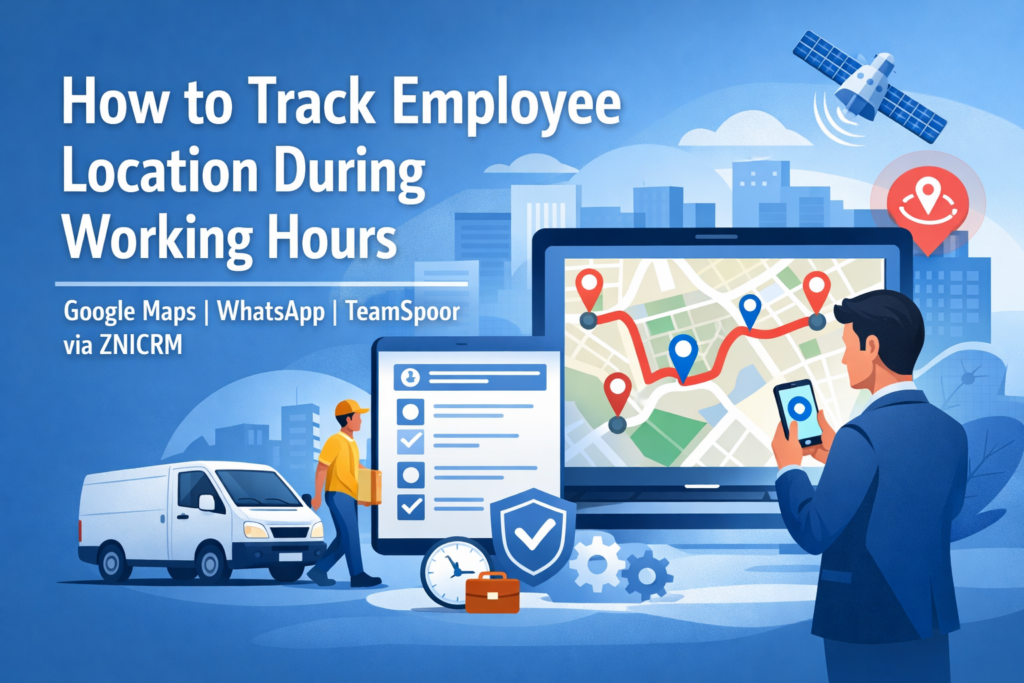

Companies adopt field force management software to run mobile operations with the same discipline and visibility they expect inside the office. Whether you manage field sales teams, service technicians, delivery crews, or on-ground auditors, the goal is the same: get the right person to the right job at the right time while controlling cost and improving customer outcomes. Below are the most important business reasons companies invest in field force management software, written from an operational (not just feature) perspective.
Why companies use field force management software
1) Workforce optimization with smarter assignment and dispatch
A major reason organizations deploy field force management software is to eliminate manual planning and “best guess” allocation. The platform matches jobs to field staff based on:
- skill sets and certifications
- geography and travel time
- shift availability and workload
- priority, SLA, and job complexity
This ensures work is distributed fairly, service levels are maintained, and urgent tasks don’t get stuck due to poor routing or visibility.
2) Higher productivity through automation and standardization
Field teams lose productive hours to scheduling changes, phone calls, paperwork, and repetitive admin tasks. Field force management software boosts productivity by automating:
- scheduling and rescheduling
- dispatch and job notifications
- digital forms and checklists
- work completion updates and proof of service
- time stamping (start, travel, pause, end)
This creates consistent processes across locations and teams, improving throughput without adding headcount.
3) Real-time tracking for better operational control
Real-time visibility is where field force management software becomes a management system not just a tracking tool. GPS-enabled tracking and live job status updates help leaders:
- monitor progress against schedules and SLAs
- respond quickly to delays, emergencies, or cancellations
- reroute teams dynamically to reduce downtime
- validate attendance and territory coverage
This level of operational control is critical in high-volume field environments where every missed visit or delay impacts revenue and customer trust.
4) Improved customer service with faster response and accurate ETAs
Customers care about two things: showing up on time and fixing the issue on the first visit. Field force management software improves service quality by enabling:
- optimized routes and appointment scheduling
- automated customer notifications (arrival windows, delays, completion)
- complete job history for better context on-site
- first-time fix readiness through checklists and inventory visibility
The result is better customer satisfaction, fewer escalations, and stronger retention.
5) Cost reduction across fuel, labor, and operational leakage
Cost control is one of the strongest drivers for implementing field force management software. Companies typically reduce:
- fuel and travel costs through route optimization
- overtime and idle time via better scheduling
- repeat visits by improving on-site preparedness
- revenue leakage by capturing accurate job proof and billing data
Even small efficiency gains compound quickly when multiplied across dozens or hundreds of field staff.
6) Better communication between field teams, dispatch, and customers
Field operations break down when information lives in calls, chats, and personal notes. Field force management software centralizes communication so teams work from one source of truth:
- dispatch instructions and updates
- job notes, images, and documents
- internal chat/comment threads tied to each job
- customer confirmations and feedback loops
This reduces errors, improves coordination, and makes handoffs smooth even across shifts.
7) Reliable data capture and analytics for decision-making
Field work generates valuable ground-level data if it’s captured cleanly. Field force management software enables structured data collection such as:
- job completion status and time-to-complete
- reasons for delays or cancellations
- customer feedback and site observations
- performance by agent, region, and job type
With dashboards and reports, managers can identify bottlenecks, improve planning, forecast staffing needs, and drive continuous optimization.
8) Compliance, audits, and safety enforcement
In regulated industries (utilities, healthcare support, telecom, BFSI, pharma, and manufacturing), compliance is non-negotiable. Field force management software supports compliance by:
- enforcing step-by-step SOP checklists
- maintaining digital audit trails with timestamps and geo-tags
- tracking certifications, inspections, and training validity
- capturing safety declarations and incident reporting
This reduces risk, ensures consistent standards, and simplifies audits.
9) Inventory and asset management for field readiness
For field service organizations, a job fails when the technician arrives without the right parts or tools. Many field force management software platforms integrate inventory workflows to:
- track spares and consumables per technician/vehicle
- record parts used during a job
- trigger replenishment and stock transfer workflows
- prevent stockouts and reduce wastage
This directly improves first-time fix rates and reduces revisits.
10) Stronger customer engagement and brand experience
Modern field force management software often includes customer-facing capabilities that improve experience and transparency:
- appointment booking and rescheduling
- automated SMS/WhatsApp/email updates
- digital signatures, photos, and proof of work
- quick feedback collection after visits
These touchpoints create a more premium, trustworthy service experience and help your team stand out in competitive markets.
11) Scalable operations as the business grows
Spreadsheets and ad-hoc tools collapse under growth. Field force management software scales with:
- expanding headcount and territories
- multiple branches and service zones
- different job types and workflows
- role-based access and governance
That scalability ensures operational consistency and control even when the organization expands rapidly.
12) Competitive advantage through speed, reliability, and agility
Companies that deploy field force management software can react faster to market demands, handle more jobs per day, maintain better SLAs, and deliver a more predictable customer experience. This creates competitive advantage through:
- higher service quality
- lower operational cost per job
- better workforce utilization
- data-driven decision making
Expert takeaway
At its core, field force management software is a performance engine for on-ground operations. It improves utilization, visibility, compliance, and customer experience all while reducing costs and operational leakage. For any business that relies on field teams to deliver revenue, service, audits, installations, collections, or customer support, field force management software becomes essential to achieving consistent, scalable operational excellence.
Looking to understand how field force management software helps your business in improving the overall productivity then check our complete guide on Use cases of field force management software.